Bert Wilkinson of the Amsterdam News is reporting that several CARICOM Caribbean nations will be holding important elections during a historic season of elections. Wilkinson reports:
“Two Caribbean Community (Caricom) nations head to the polls early next month, and a third head of government is readying to name a date, capping one of the busiest electoral years for the 15-member bloc in recent history.
Guyana, which hosts the Caricom, will vote on September 1, while on Sunday night, Jamaican Prime Minister Andrew Holness ordered the nation to get ready to cast ballots on September 3, two days after Guyana.
In St. Vincent in the Eastern Caribbean, the regional subgrouping of Caricom is awaiting a date from Prime Minister Ralph Gonsalves for when the multi-island federation will vote with the Grenadines — the constitutional deadline is November.
When done and dusted, 2025 might be one of the busiest electoral years for the bloc and its associate members in recent memory, with elections already completed in Trinidad, Suriname, Belize, Anguilla, Curacao, the Turks and Caicos islands, Bermuda, and the Cayman Islands.”
To read the full story, please visit the Amsterdam News.
Writing for the Atlanta Journal-Constitution, the Burton Wire’s Nsenga K. Burton, Ph.D. discusses the importance of the episode, “Theo’s Gift” in raising awareness of dyslexia and mainstreaming the much-needed conversation. Read excerpts below:
EXCERPTS
Vanessa, I finally know what’s wrong with me and I can do something about it.’ – Theo Huxtable, ‘Theo’s Gift,’ Season 6, Episode 5 of ‘The Cosby Show.’
The world is reeling over the news of the tragic passing of actor, director, musician and poet Malcolm-Jamal Warner, who died while vacationing with his family in Costa Rica.
Warner became a household name starring as Theo on the iconic television sitcom, “The Cosby Show.” An affluent Black family, living and loving happily in an upscale Brooklyn neighborhood, the Huxtables challenged pervasive stereotypes and problematic representations of Black families in mainstream news and media. A brilliant blend of humor and moral lessons, America tuned into NBC’s wildly popular and groundbreaking television series for eight seasons.
While many remember Warner’s iconic performances on “The Cosby Show” (episodes and scenes including “A Shirt Story,” “Night and Day,” “Dance Mania,” and “Theo’s Economic Lesson”), he should also be remembered for his role in making dyslexia a household name, thus mainstreaming learning disorders…
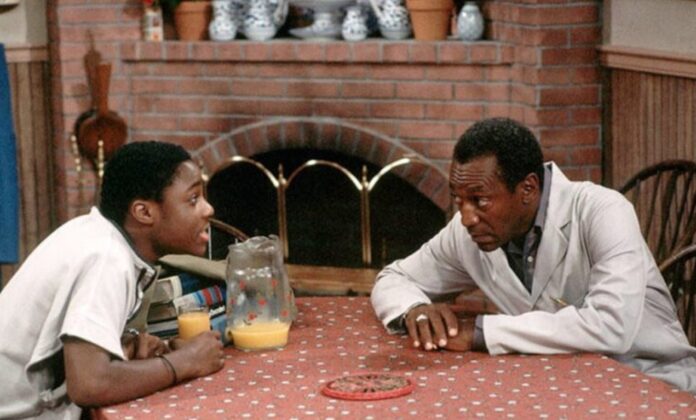
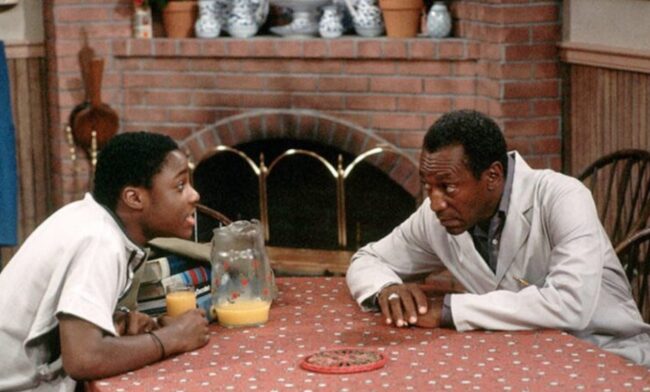
In “Theo’s Gift,” Theo learns he has dyslexia and now understands why he had such a hard time getting through school. Cliff, Clair and Theo are delighted to learn there is an explanation for the lifelong difficulty Theo had with learning and they discuss the tools he can use to perform better in his classes. Theo’s sister, Vanessa, enters the chat, gently admonishing Cliff and Clair for being punitive and disparaging Theo’s character, when in reality, he needed help because he learns differently.
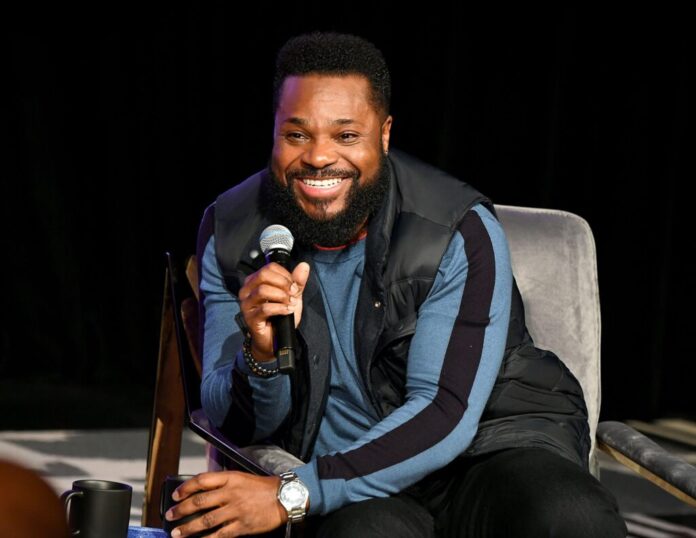
Iconic actor Malcolm Jamal Warner dies at 54. (Photo: SCAD ATL)
Our little brother. Play cousin. First crush. First image of many of our actual lives. The boy who gave us the incredible Theo Huxtable of the iconic Cosby Show, who grew into the man who gave us AJ Austin on The Resident, Alex Reed of Reed Between the Lines, Malolm of Malcolm & Eddie, Julius Rowe of Suits, and decades of steady work on shows like Anerican Horror Story, Sons of Anarchy, Listen Up, 911, and Community,. An award-winning writer, director, poet, spoken word artist, musician, and icon, his loss Is incomprehensible and devastating.
He died while on vacation in Costa Rica with his beloved family, whom he fiercely protected from the public’s prying eye. While swimming, he was caught In a rip current, and drowned.
Malcolm Jamal Warner, 54, was one of a kind and his tragic passing, has left us heartbroken. There truly Is no other response for those who grew up watching a happy, Black boy, living his truth In a loving family, who challenged dominant media representations of African-Americans in the 1980s and early 1990s. He was, “Black boy joy,” and brought laughs to millions for eight seasons on the Cosby Show. He also brought social and civic Issues like ending apartheid in South Africa and dyslexia to mainstream American television, and not without facing resistance from television executives.
A friend to the Burton Wire– Malcolm always had time for an interview or a kind, “Hello,” or warm hug. He respected Black-owned media and treated our small but mighty company with the same respect and professionalism as major mainstream outlets, which isn’t always the case with celebrities. Malcolm Jamal Warner, was greatly loved, admired, and respected, and will be greatly missed.
Our sincerest condolences to all who loved him, especially his family. Rest in power to a righteous brother, who meant so much to so many.
This article was written by Nsenga K. Burton, Ph.D., founder & editor-in-chief of The Burton Wire and editor-at-large at NNPA/Black Press USA. Follow her on IG @TheBurtonWire.
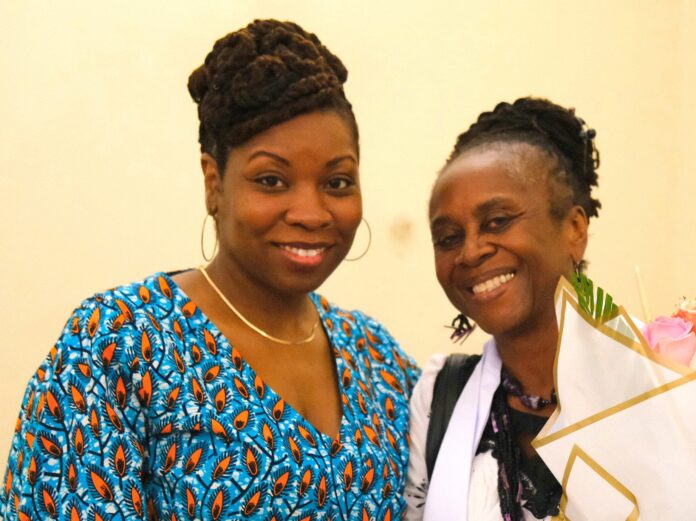
The Craft Institute founder Dr. Monica White Ndounou and Ghanaian Ambassador H.E. Abena Pokua Adompim Busia at IBTS 2025. (Photo Credit: Craig Williams)
Ghana is a desired destination for many reasons, including the “Year of Return” and “Beyond the Return” initiatives, the birthplace of Pan-Africanism, the rise of Ghanaian sprinter Abdul Rasheed Samin, the launch of PANAFEST and Emancipation Day, and as the site of the 2025 International Black Theatre Summit.
Led by theatre activist and visionary Monica White Ndounou, Ph.D., founder and CEO of The CRAFT Institute (CRAFT), Dr. Ndounou recently spearheaded the International Black Theatre Summit (IBTS) in Ghana, marking a significant milestone in the vision to develop, promote, and sustain black storytelling.
This 4th biennial convening served as a vital platform for scholars and practitioners in theater, film, television, related media, and tech to strategize the future of black narratives across various platforms. Ghana’s longstanding history of Pan-Africanism and a strong relationship with the United States as embodied by the work and life experiences of W.E.B. DuBois, made it an ideal location for the IBTS 2025’s whose theme was to “Create. Connect. Heal.”
IBTS was energetic, teeming with creativity, business acumen and vision. Luminaries in attendance included Princess Akosua Busia (NETTIE, The Color Purple 1985), Ambassador H.E. Abena Pokua Adompim Busia, Dr. Esi Sutherland-Addy (PANAFEST Chairperson), and daughter of the late Ghanaian playwright Efua Sutherland), Tony Award Nominee Michele Shay, Tony Award-winner Tonya Pinkins, television and film director Christine Swanson, and celebrated actress Vanessa E. Williams, to name a few.
CRAFT designed a program to both facilitate a “think-tank structure” and a bridge across cultures. Their team named the daily opening sessions “Church”. This moniker created a vehicle through which “music, performance, reverence, communion, and creativity could occur,” Ndounou shared. Traditional drummers, song, monologues, and recitation assured attendees and guests alike that IBTS is not a traditional conference. It is a convening of ideas, performance, strategic planning, and capacity building, marked by connection. The collaborative spirit of the attendees filled the beachside meeting space in preparation for words of wisdom and inspiration by those in attendance, including experts in the field.
Much like the previous convenings, the CRAFT Institute endeavored to reinforce the importance of ongoing connections long after the Summit concluded. Nick Hella, Gabonese producer of the feature film Afrotopia, offers, “I saw [IBTS] as a way to bridge the gap between two people who were separated. Being here was proof that we are on the same path, and we have something to share, to grow in common, and IBTS was like the first step.”
Recognizing the need to share and grow, Create Ensemble was founded in 2019 in direct response to the needs expressed by participants of IBTS 2018. Create Ensemble is a subscription-based platform for organizations and creatives. One of its many features allows users to create and manage project fundraisers. It also allows users to build a team sourced through the platform for their projects. Create Ensemble was the official digital platform for IBTS 2025 registration and ongoing community-building and networking for participants.
As the IBTS continues to evolve, plans are already underway for 2027 and 2029. Ndounou envisions the summit becoming an annual event, alternating between the African Diaspora and the African continent to ensure ongoing engagement and collaboration. “We want everyone who participates to imagine what the future of black storytelling will look like 100 years from now and how to support it,” urges Ndounou.
With the CRAFT Institute’s commitment to fostering equitable access and celebrating the contributions of black creatives, they continue to lead the initiative to celebrateBlack Theatre Day(September 17), an annual day of solidarity and service to celebrate and support 21st century Black theatres in their ongoing efforts to build sustainable, institutional wealth.
Black Theatre Day honors the legacy of the African Grove Theatre, the first known Black professional theatre company in the United States, and marks the anniversary of its inaugural performance of “Richard III” on September 17, 1821.
The 2025 International Black Theatre Summit in Ghana stands as a testament to The CRAFT Institute’s dedication to amplifying Ancestral Intelligence™ by creating culturally inclusive eco-systems in which practitioners, scholar-artists, and patrons can unite to inspire the next generation.
This article was written by Nsenga K. Burton, Ph.D., founder and editor-in-chief of The Burton Wire. Follow The Burton Wire on IG @TheBurtonWire or Meta @BurtonWireNews.
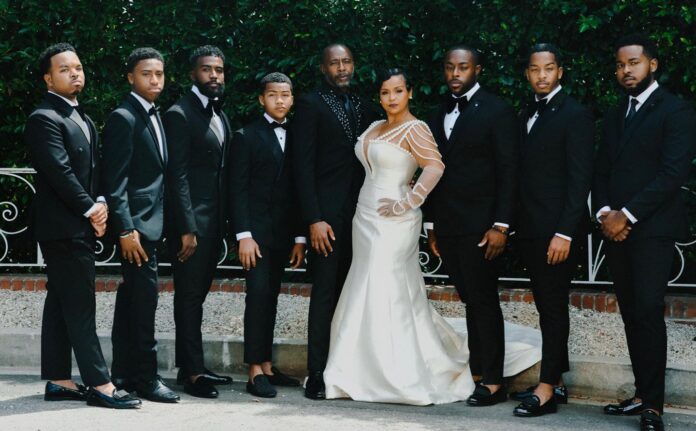
The Fox Family including their sons. Photo: Courtesy of the Fox Family
In the heart of a bustling film industry, Fox and Rob stand out not just for their storytelling prowess but for their unwavering commitment to social justice. Viewers first met Sibyl “Fox” Richardson and Rob Richardson in the 2020 award-winning documentary Time, which premiered at Sundance. Directed by Garrett Bradley, the film followed Fox’s fight for the release of her husband Rob, who was serving a 60-year prison sentence for robbing a bank with Fox and their nephew Ontario in 1997, when facing homelessness. Although they were first-time offenders who acted out of desperation and no one was physically harmed in the heist, they received the harshest sentences possible with Rob, a Navy veteran receiving a 60-year sentence. Time, which was nominated for an Academy Award, told the story of the Fox family and their young children using home videos and documentary footage. Their latest film, Time II: Unfinished Business, is more than a sequel; it’s a clarion call for change, seeking to inspire and mobilize a million people to reclaim freedom for those trapped in the cycle of incarceration.
Fox, who was the subject of the first documentary, is now the director behind this latest documentary. A force, Fox passionately explains her motivation for creating Time II and the necessity of a part two to their story. “When I first saw Time one, it was beautiful and moving, but it left a void in my heart. It didn’t provide the tools for our community to understand how to create their own freedom. With 2.3 million individuals languishing in prisons across this country, disproportionately people of color, I felt a duty to ensure we weren’t leaving them with a fairy tale. I wanted to show how we achieved our freedom and what we did with it afterward.”
Rob, who brings his own story of resilience to the film, echoes Fox’s sentiments. “Incarceration forced me to learn the language of law out of necessity. I had to navigate a system that was designed to keep us down, much like our ancestors who came to America and had to adapt to a new language and culture. Storytelling became my way of articulating our struggle and the legal realities we face.” Acknowledging that he “checked himself back into slavery,” since slavery is not abolished in the United States prison system, Rob endeavored to ensure that people understand what’s at stake if they enter the system and if the justice system doesn’t evolve from its precarious beginnings. Rob, who learned the Napoleanic system of law of Louisiana, and differs from other legal systems in the United States, advocated for himself and worked with his village including Fox to gain his freedom after serving 21 years in prison. The talented duo used their hard work, grit and gifts to make a second film that is as compelling as the first.
Their collaborative journey in storytelling has been transformative for the couple. “Fox is an excellent storyteller and director,” Rob notes. “Her talent is innate; she doesn’t need formal training to convey these vital narratives. It’s about etching our humanity into the ethos of time and making our community aware of these issues.” When asked how she developed the skills to tell such an important story in an exceptional way with Time II, Fox offers, “Listen, I think it’s like the person in church that plays by ear. I think it’s like the person in church that sings by ear. We don’t have to be formally taught anything when God has called us to do something great.” Fox and Rob are on a mission to reclaim their time in society, tell their story as a cautionary tale for others and to help change a judicial system that sometimes gets it wrong, doling out punishments and penalties that don’t fit the crime.
The duo is not content to stop at the film’s release. Unlike Time, which rolled out to much fanfare and was distributed by Amazon Prime, Rob and Fox are distributing this film themselves as part of a larger movement. The activists are spearheading a major campaign, urging a million people to join them on Juneteenth to witness their story of freedom. “This is the biggest work of my life,” Fox states passionately. “We’re asking for a million people to watch Time II on the same day. When they register, they will receive a copy of the film, a proclamation of Juneteenth as a federal holiday, and a freedom action toolkit.”
The toolkit aims to empower participants with knowledge about clemency and resources from 40 participatory defense hubs across the country. “Every dollar from registration will support the Amistad Research Center, the largest independent collection of black archives in our nation,” Fox explains. “We’re not just sharing our story; we’re preserving history for future generations.”
When speaking with Fox and Rob, it is clear they are in a race against time trying to reclaim their time as a family, help free overly prosecuted inmates, raise awareness around issues like mass incarceration and the privatization of prisons and ultimately to help free people who deserve a second chance. There is passion and energy but also a sense of urgency in their mission. Fox states, “We have a duty and obligation to reclaim our loved ones who have been wrongfully incarcerated or excessively sentenced. Time II is a call to action for all of us to commit to freedom and honor our liberty.”
As they prepare for the campaign launch, Fox and Rob remain steadfast in their resolve. I wonder aloud what will happen if they don’t get the 1 million people. “We won’t stop until we reach a million people committed to this pledge of freedom,” Fox asserts. “This Juneteenth, we’re inviting everyone to center themselves on freedom—to come together as a community and celebrate the power of our collective voices.”
To watch Time II: Unfinished Business and to join their movement for freedom and justice, visit: https://www.timetwomovie.com/
This article was written by Nsenga K. Burton, Ph.D., founder & editor-in-chief of The Burton Wire. Follow Nsenga on Meta or Instagram @TheBurtonWire.
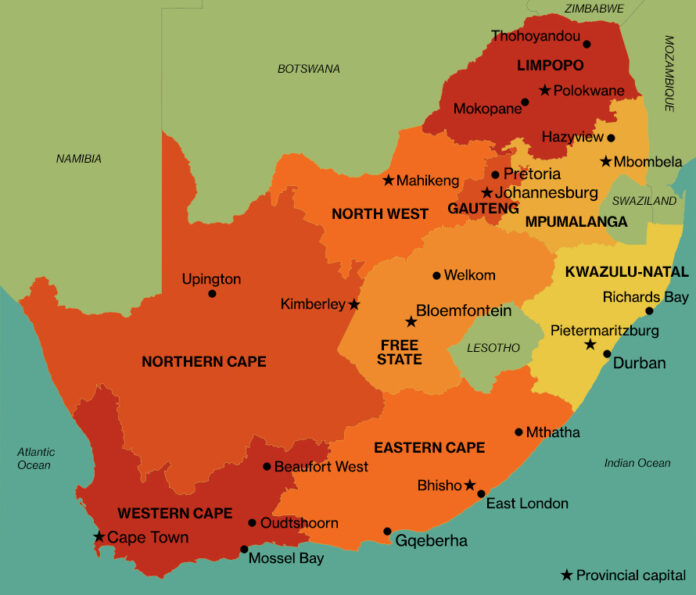
Map of South Africa's nine provinces: the Eastern Cape, Free State, Gauteng, KwaZulu-Natal, Limpopo, Mpumalanga, the Northern Cape, North West and the Western Cape.
South Africans and the internet are in an uproar over reports a White South African farmer ran over and killed three South African schoolchildren, commonly referred to as learners in South African culture. On February 25, in Dalton, KwaZulu-Natal (KZN), South Africa, a white farmer ran over three schoolchildren with his vehicle, killing them. Witnesses allege the farmer deliberately ran over the children. The famer alleges he ran over them because he “thought they were animals.”
The Economic Freedom Fighters issued a statement on May 25 about the incident which according to them, has not been properly investigated:
“This heinous crime, which has devastated the families concerned and the larger community, has exposed the real violence in this country. It is the violence against a landless Black majority still subjected to the brutality of white landowners who view Black lives as disposable. The incident in Dalton is not isolated. Across the country, we have witnessed multiple cases where white farmers have targeted Black people.”
In the video below, the mother of one of the victims alleges the driver, who is a major employer in the area, was drunk and fled the scene. He was found hiding behind some farmhouses but has yet to be taken to jail or charged with a crime according to the father of one of the victims. They also alleged bottles were found at the scene of the incident, the car was upside down and the farmer killed someone previously while drunk driving and served no time. The mother of the victim alleges there is a separate system for Boers than Black South Africans. The families demanded justice.
The statement goes on to outline crimes against Black schoolchildren by White farmers. Despite South Africa being 82 percent Black, Blacks only own 4 percent of the land. White South Africans own 72 percent of the land while Coloureds and Asians own nearly 20 percent despite being 8 percent and 2 percent of the population.
This disparity is rooted in South Africa’s history of colonialism and apartheid, during which policies like the 1913 Natives Land Act restricted Black land ownership and forcibly displaced communities. This led to a concentration of land ownership in the hands of the white minority.Post-apartheid, the South African government has pursued land reform to redress these historical injustices, aiming to redistribute land and provide restitution for those dispossessed. This redistribution is critical to the economic growth and development of Black South Africans. However, the pace of land reform has been slow, and the government has faced challenges in effectively transferring land and supporting new Black landowners.
The EFF was established in 2013 as a breakaway from the African National Congress (ANC). Julius Malema, a former ANC youth leader, is the current leader.
This story is developing.
This article was written by Nsenga K. Burton, Ph.D., editor-at-large for NNPA and founder & editor-in-chief of The Burton Wire. Follow TBW or Nsenga on social media @TheBurtonWire or @Ntellectual.
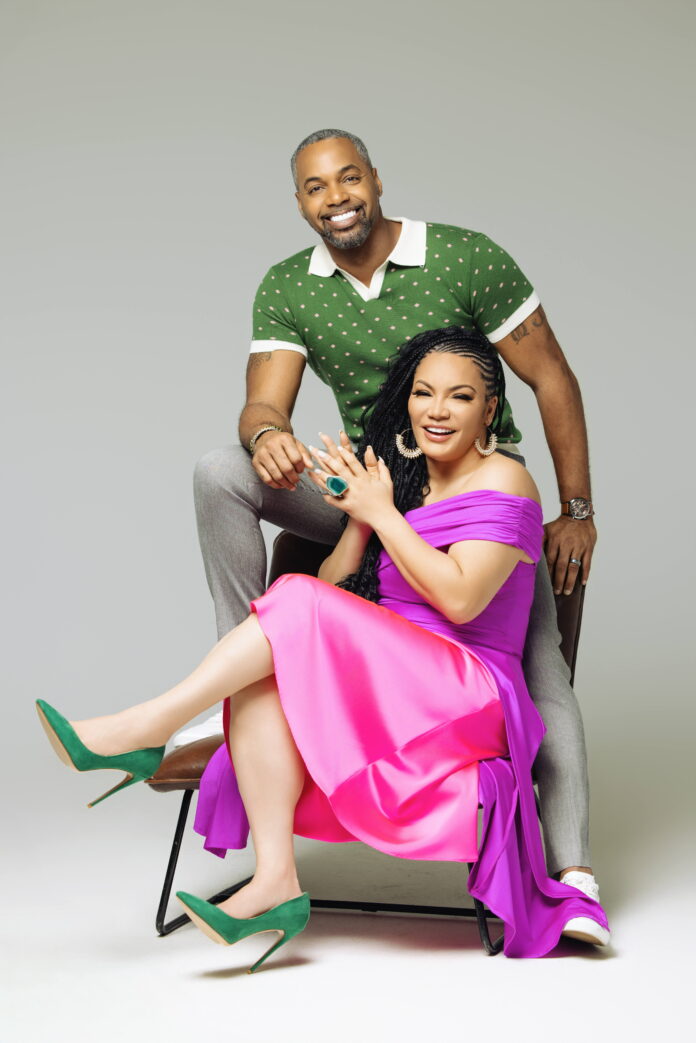
Egypt Sherrod and Mike Jackson of Married to Real Estate (HGTV). Photo Credit: Leslie Andrews
In the realm of real estate and television, few duos embody the spirit of collaboration and love quite like Egypt Sherrod and Mike Jackson, the hosts of HGTV’s “Married to Real Estate.” Their journey is not just about flipping houses; it’s about flipping narratives and creating a legacy that resonates deeply with their audience.
Egypt’s path to real estate was somewhat circuitous. Initially starting her career in radio, she was always surrounded by the world of real estate, thanks to her uncles, who were brokers and investors. “It was in my DNA,” she reflects. After experiencing the empowerment of flipping homes, Egypt realized that real estate was her true calling.
Mike’s path to real estate was also in his DNA. “I’ve always been drawn to building and creating,” says Mike. “As a kid, if I wasn’t on the road touring and homing in on my D.J chops, I was on a construction job site with my grandfather and uncle, sharpening my builder skills, which later in my life turned into a career in construction and renovation.” Mike became a successful general contractor, securing his future in construction. Initially, not sure of a career in real estate, he decided to give it a try after Egypt made it more intriguing with the possibility of working together. “Watching my wife flip homes and seeing the impact she had on people’s lives made me want to be a part of it,” Mike explains. “She encouraged me to get my license so we could keep everything in-house, and it’s one of the best decisions I’ve made. ‘Married to Real Estate’ came from us living this life every day—we just invited the cameras in.”
The invitation was productive, with the power couple building a following and reputation for great work and great television. “Married to Real Estate” is a show that aims to inspire others by showcasing the beauty of homeownership and the collaborative journey of building a life together as a couple and family.
In its fourth season, viewers tune in on Wednesdays to see Egypt and Mike hard at work making real estate dreams come true. Complementary strengths make Egypt and Mike’s on-screen chemistry compelling. Egypt brings a creative vision and emotional storytelling, while Mike provides structure and calm craftsmanship. Their genuine respect for one another shines through, making their interactions relatable and authentic. “We bicker, we laugh, we get the job done—but most importantly, we respect each other,” Egypt shares.
Balancing business, marriage, and parenting has not been without its challenges. The couple emphasizes the importance of faith, grace, and mutual support. “We remind ourselves often: this is bigger than us. We’re building a legacy, not just a brand,” Mike adds. Their journey is a testament to the idea that love, and business can coexist beautifully, even amidst the chaos of life. “Egypt’s the visionary—she sees the finished product before we even start. I’m more technical. I make sure the structure is sound, the permits are in place, and everything meets code without compromising design,” he offers. “That’s the balance we bring. And being a couple, there’s a trust that runs deeper than business. We know how to push each other and also when to pull back. Our relationship sets the tone for how we show up on set and with our clients.”
Through “Married to Real Estate,” Egypt and Mike aim to convey that wealth, love, and legacy can be built while having fun. They want their audience to understand that a home is more than just a transaction; it’s a place where stories unfold. “We hope everyone sees themselves in us,” says Egypt, highlighting the importance of representation, particularly for Black families who have historically been underrepresented in media.
For couples considering working together, it’s not for the faint of heart. Egypt offers sage advice: “Know your lane and respect each other’s gifts,” she advises. “Clear communication and defined roles are crucial but so is making time for each other outside of work to maintain a healthy relationship,” she adds. Finding balance in their busy lives involves setting boundaries and being intentional about family time. “Our kids keep us grounded,” Egypt explains, emphasizing the importance of emotional check-ins alongside logistical ones. “Marriage takes work, and so does self-care.” Mike agrees. “We’ve had to be intentional about checking in, communicating openly, and protecting our peace,” he explains. “The wins are great, but the real triumph is still liking each other at the end of it all. That takes work.”
Looking ahead, Egypt is excited about launching her Indigo Road home collection in JCPenney stores and continuing to support women entrepreneurs through her nonprofit, 1000 Women Owned. Meanwhile, Mike is focused on expanding his renovation company and mentorship programs. “I’m focused on growing Jackson Draper Renovations and creating a space where I can mentor young men in construction,” says Mike. “I want to create more apprenticeships, more opportunities, and more representation behind the walls—not just on camera. I also have a few projects in development that highlight skilled trades in a way that’s never been done before,” he adds. Together, the entrepreneurs and community servants are committed to building meaningful projects, both on and off the screen.
Being part of HGTV has provided Egypt and Mike a platform to inspire others. “It’s one thing to renovate homes—it’s another to inspire people to see what’s possible for their own lives,” Egypt states, highlighting the responsibility they feel as role models. “We hope ‘Married to Real Estate’ continues to inspire people around the world through the streaming platforms for years to come,” adds Mike.
The success of “Married to Real Estate” involves family, business, celebrity, industry, and many moving parts. At the core of their endeavors is a commitment to purpose. “Success isn’t just about what you have—it’s about who you can bring along the way,” Egypt concludes. Through their work, they aim to help others build lives rooted in purpose, proving that love, legacy, and community can indeed flourish together.
As “Married to Real Estate” continues to inspire viewers, Egypt Sherrod and Mike Jackson remind us that home is not just a place; it’s a journey filled with love, laughter, and limitless possibilities.
“Married to Real Estate” airs Wednesdays at 9/8c p.m. on HGTV and MAX.
This article was written by Nsenga K. Burton, Ph.D., editor-at-large for NNPA and founder & editor-in-chief of The Burton Wire.
Stacy M. Brown, Senior National Correspondent for Black Press USA, is reporting that a new Pope has been chosen. For the first time in the history of the Roman Catholic Church, an American has been named to the coveted role. Native Chicagoan Cardinal Robert Prevost, has chosen the name Pope Leo XIV and will succeed the wildly popular Pope Francis, who died last month. Brown writes:
“The announcement came from the balcony of St. Peter’s Basilica, where Cardinal Dominique Mamberti followed centuries-old tradition, delivering the proclamation in Latin: “Annuntio vobis gaudium magnum — Habemus Papam!” (“I announce to you news of great joy — We have a pope!”) Prevost, 69, succeeds Pope Francis, who led the Church from 2013 until his death last month. His election followed a conclave that included high-profile contenders such as 76-year-old Cardinal Peter Turkson of Ghana and 65-year-old Cardinal Fridolin Ambongo Besungu of the Democratic Republic of Congo. Reactions poured in as word of the historic election spread. “Wow,” tweeted Tacuma Roeback, managing editor of the Chicago Defender. “The first pope from America was born in Chicago.” Former Obama adviser David Axelrod added, “Holy smokes!! An American Pope! From CHICAGO!!!” Retired journalism professor Seth Abramson posted, “The first American Pope, Leo XIV, has just been elected. Prevost, from Chicago, is deemed to be in the mold of Pope Francis — a progressive. Yes, this is real.” (END OF EXCERPT)
It is also being reported by Helen Nevitan of the Shreveport City Rossier Advocate the Pope has Haitian and Creole roots. He has ancestral ties to Chicago’s Seventh Ward according to genealogists at the Historic New Orleans Collection.
This story is developing.
Read Stacy M. Brown’s article in entirety at Black Press USA.
This news brief was curated by Nsenga K. Burton, Ph.D., founder & editor-in-chief of The Burton Wire. Follow The Burton Wire on IG or Meta @BurtonWireNews.
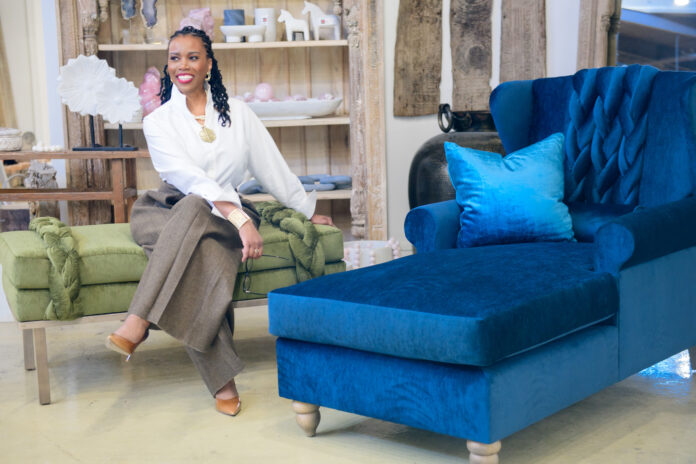
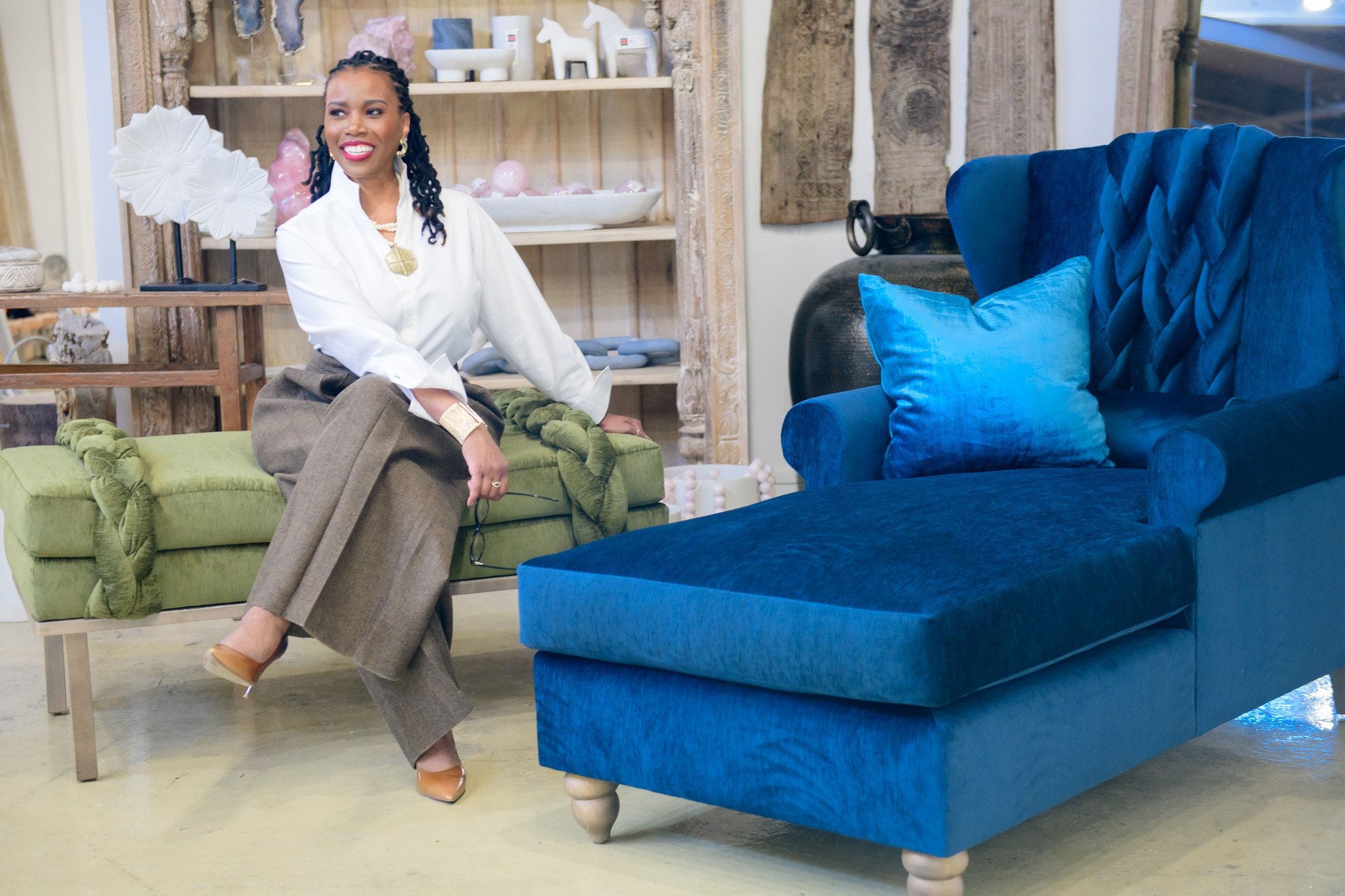
Okeatta Brown is a trailblazing woman in diversity and inclusion, who has taken her expertise and applied it to interior design and furniture production. An HBCU graduate (Johnson C. Smith University), Brown launched O & Company Interiorslast month. Headquartered in Charlotte, her interior design company is headed by all-women including the manufacturer. Having moved around a lot as a child, Okeatta has channeled her story into a business dedicated to helping clients create soulful homes that reflect their culture. Brown created TheVictoria Lane Collection, which was created in homage to her mother and great great grandmother.
The Victoria Lane Collection is a custom hand-crafted upholstered furniture collection designed to elevate and create a deep connection to home. O & Company Interiors was born from Brown’s personal quest for high-quality, aesthetically beautiful, soulful décor.
The Victoria Lane Collection honors Okeatta’s mother and grandmother, celebrating the braid as a powerful symbol of strength, beauty, and cultural identity. Brown, a serial entrepreneur and business leader, formed O and Company Interiors because of the importance of entrepreneurship in her family and upbringing and because of the cultural aspect of the soulful décor.
“Entrepreneurship is essential to the strength and resiliency of the African American community,“ says Brown. “When others said, ‘No to us’ we said yes to ourselves and the broader community offering products and services to everyone. It is important to honor our tradition of inclusion and excellence by creating a business that reflects our history and culture while offering a contemporary look and feel for today’s consumers,” adds Brown. An expert in inclusion, she has built a diverse core team made up of mostly women. The Victoria Lane Collection pays homage to the women in her life who made this dream possible.
Women in general and Black women specifically are leading the entrepreneurial revolution, starting more businesses than any other demographic. Brown designed this collection to feature a unique blend of high-quality textiles and thoughtfully designed pieces that bring an approachable yet luxurious aesthetic to any space. Whether in a boutique hotel, in a personal home, or as the “special statement piece” that’s perfect for an interior design project, this collection offers custom, hand-crafted upholstered pieces that elevate any space.
“One of my goals with founding this business is to use all of my knowledge, resources and talents in business and creativity to elevate women in general and Black women specifically, in society and in this industry,” the founder states. “I stand on the shoulders of my mother, great great grandmother and many other women in my life. I hope to be the shoulders for anyone who needs them in this industry.”
The Victoria LaneCollection, will be featured at the world famous High Point Market, April 26-30, 2025.
Honduran American musician and politician Aurelio Martínez Suazo died in a plane crash off the coast of Honduras. (Photo: PBS)
The Associated Press is reporting famous Garifuna musician Aurelio Martínez Suazo was one of the 12 people killed in a plane crash off the coast of Honduras (March 18, 2025). An American citizen, he was a celebrated musician and politician in the Honduras and an important part of the Honduran and music community in New Orleans.
The AP reports:
“The Lanhsa Airlines flight crashed into the sea shortly after takeoff Monday night from the island of Roatan en route to the mainland city of La Ceiba. It carried 17 passengers and crew, five of whom were rescued and hospitalized. Police reported that the plane failed to reach full altitude and sank quickly after impact. Local fishermen rescued the survivors.”
“Among the victims was Aurelio Martínez Suazo, a former member of Congress and member of the Garifuna ethnic group, which is of mixed African and Indigenous heritage. Martínez Suazo also held U.S. citizenship. His representative, Helene Odile Guivarch, a French citizen, was among the survivors.”
According to the Honduran Civil Aeronautics Agency, the plane crash is under investigation.
This news brief was curated by Nsenga K. Burton, Ph.D., founder & editor-in-chief of The Burton Wire. Follow The Burton Wire on IG or Meta @BurtonWireNews.